Preparing for New Air Conditioning Installation in Your Home
Preparing for New Air Conditioning Installation in Your Home
Blog Article
Understanding your HVAC system is vital for ensuring comfort within your living or working spaces, and familiarity with common repairs can lead to savings in both time and expenses. By consistently maintaining your system and being aware of prevalent issues, homeowners can enhance the efficiency of their heating and cooling units. For additional insights or help, feel free to explore reliable HVAC services. This article details frequent HVAC repairs, their causes, and strategies to identify and resolve these problems, keeping your system functioning optimally year-round. From air conditioning breakdowns to heating system malfunctions, being informed can help avert small inconveniences from turning into expensive repairs read more. Many air conditioning systems encounter various standard problems that require urgent repair work. An often-seen issue is refrigerant leaks, which can cause insufficient cooling and lead to escalated energy bills. Another common problem is the occurrence of frozen evaporator coils, which frequently arise due to restricted airflow. Additionally, thermostats that fail to accurately read temperatures can result in ineffective cooling, making it a prevalent issue among AC units. To combat these problems, it is essential to frequently replace air filters; clogging can limit airflow and hamper efficiency, ultimately leading to larger problems. Have you ever considered whether your air conditioning unit is operating at peak performance? Signs such as strange noises, bad odors, or water buildup surrounding the unit indicate a deeper issue. Regular check-ups conducted by certified HVAC technicians can help identify issues before they escalate. Make it a point to arrange for annual maintenance to sidestep unforeseen breakdowns during the hottest parts of the year. Partnering with trustworthy heating and cooling professionals guarantees you receive excellent service and reliable repairs customized to meet your requirements. As temperatures drop, heating systems often experience wear and tear that leads to malfunctions. One of the most common heating repairs involves replacing thermostats when they no longer accurately regulate temperatures. Additionally, faulty ignitors or pilot lights can prevent furnaces from igniting properly. If you're noticing strange noises or reduced heating efficiency, it may indicate that your furnace needs attention. Regular maintenance, including cleaning burners and checking ductwork, can significantly extend the life of your heating system and improve overall performance. The pricing for HVAC repairs can fluctuate widely based on the nature of the service needed, how serious the issue is, and where you live. For instance, routine fixes like swapping out a thermostat usually cost between $100 and $300, while more complex repairs, such as swapping out a compressor, can soar to $1,500 or even more. It’s beneficial to gather quotes from various local heating and cooling professionals to assess what is considered fair pricing. Moreover, being informed about furnace replacement costs can offer perspective on whether it’s more practical over time to repair an older unit versus replacing it entirely. Familiarity with the HVAC repair landscape equips you to make knowledgeable choices regarding repair and replacement options. To expand your understanding of HVAC maintenance, you may wish to look into this insightful Heating, ventilation, and air conditioning overview.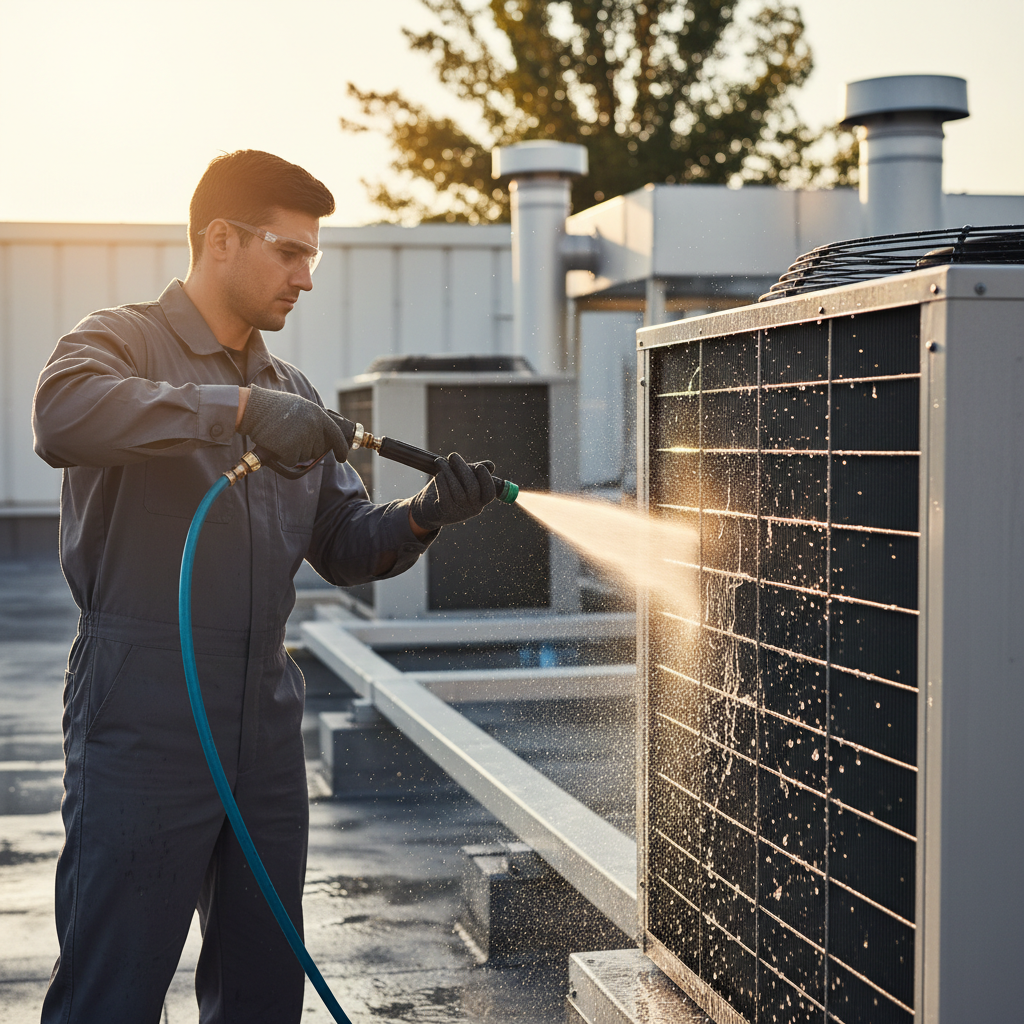 la mesa best HVAC Contractorla mesa best HVAC Contractor guide
Typical AC Repair Issues
Detecting AC Malfunctions
Common Heating Repairs
Understanding the Costs Involved
hvac common discover now repairs
Helpful Tips for HVAC Repairs
Taking proactive measures can lead to fewer repair needs. Ensure your heating and cooling systems are serviced regularly to maintain efficiency levels.
- Keep outdoor units clear of debris and vegetation.
- Consider programmable thermostats to enhance energy efficiency.
- Test carbon monoxide detectors regularly, especially if using gas heating.
- Seal ducts and ensure they’re insulated to prevent air loss.
- Educate yourself about common HVAC issues, so you can act quickly when problems arise.
Steps to Troubleshooting HVAC Issues
- Check the Thermostat: Ensure that the thermostat settings are correct and set to the desired temperature. Sometimes, simply replacing batteries can resolve functionality issues.
- Inspect Air Filters: Remove the air filters and check for dirt and debris. Replace them if necessary, as clogged filters can strain both heating and cooling systems.
- Examine Vents and Ducts: Look for blocked or closed vents, and make sure ducts are clean and free from obstructions. Improved airflow is essential for efficient system operation.
- Monitor Refrigerant Levels: If you suspect a cooling issue, have a professional check the refrigerant levels and identify possible leaks that need repair.
- Evaluate System Noise: Pay attention to any unusual noises coming from the unit. Identifying sound sources may help diagnose underlying problems that require fixing.
- Schedule Regular Maintenance: Beyond troubleshooting, routine servicing by HVAC professionals can prevent many common issues, ensuring your system operates smoothly all year round.
Frequently asked questions
Which HVAC repairs are most commonly required?
Homeowners frequently encounter HVAC repair issues, such as refrigerant leaks in air conditioning units, dysfunctional thermostats, and ignitior issues in heating systems. Delaying action on these issues can result in less efficiency and ultimately lead to higher repair costs.
How can I find an HVAC repair provider?
To find a reputable HVAC service provider, start by researching nearby companies and reading customer feedback. Ensure you select licensed and insured professionals who have experience dealing with the specific types of repairs you need. Get several quotes to effectively compare pricing and services offered.
What is the expense range for HVAC common repairs?
The cost of HVAC repairs can differ greatly, typically starting around $100 for straightforward tasks, like replacing a thermostat, and reaching over $1,500 for significant repairs, such as a total compressor replacement based on the specific issues and the equipment involved.
In evaluating the landscape of HVAC common repairs, emphasize the significance of demonstrable outcomes, clear documentation, and compatibility with your market and deadlines. Be wary of ambiguous promises that lack a measurement strategy.
Discuss how progress is assessed, the distinction between included services and additional options, and how the service provider revises strategies if rankings or traffic plateau. A written outline before payment protects the interests of both parties.
Being aware of common HVAC repairs empowers homeowners to keep their systems running efficiently. Timely maintenance and an understanding of prevalent issues can lead to significant savings in the long run. Don't hesitate to reach out to professional HVAC contractors to help ensure the longevity of your systems.
By proactively addressing heating and cooling needs, you foster a comfortable living environment, ensuring that your HVAC systems provide the essential relief they were designed to offer.